In Irpinia, November brings a quieter rhythm to the vineyards. The harvest is over, but inside the cellar, winemaking is far from finished. Yeasts have converted grape sugars into alcohol and carbon dioxide, yet the young wine still needs careful attention before it can reach the bottle.
So, what happens after wine fermentation? Why do winemakers rack wine, what are lees, and what does it really mean to let a wine rest? Here is a look at the important work that continues long after the grapes have been picked.
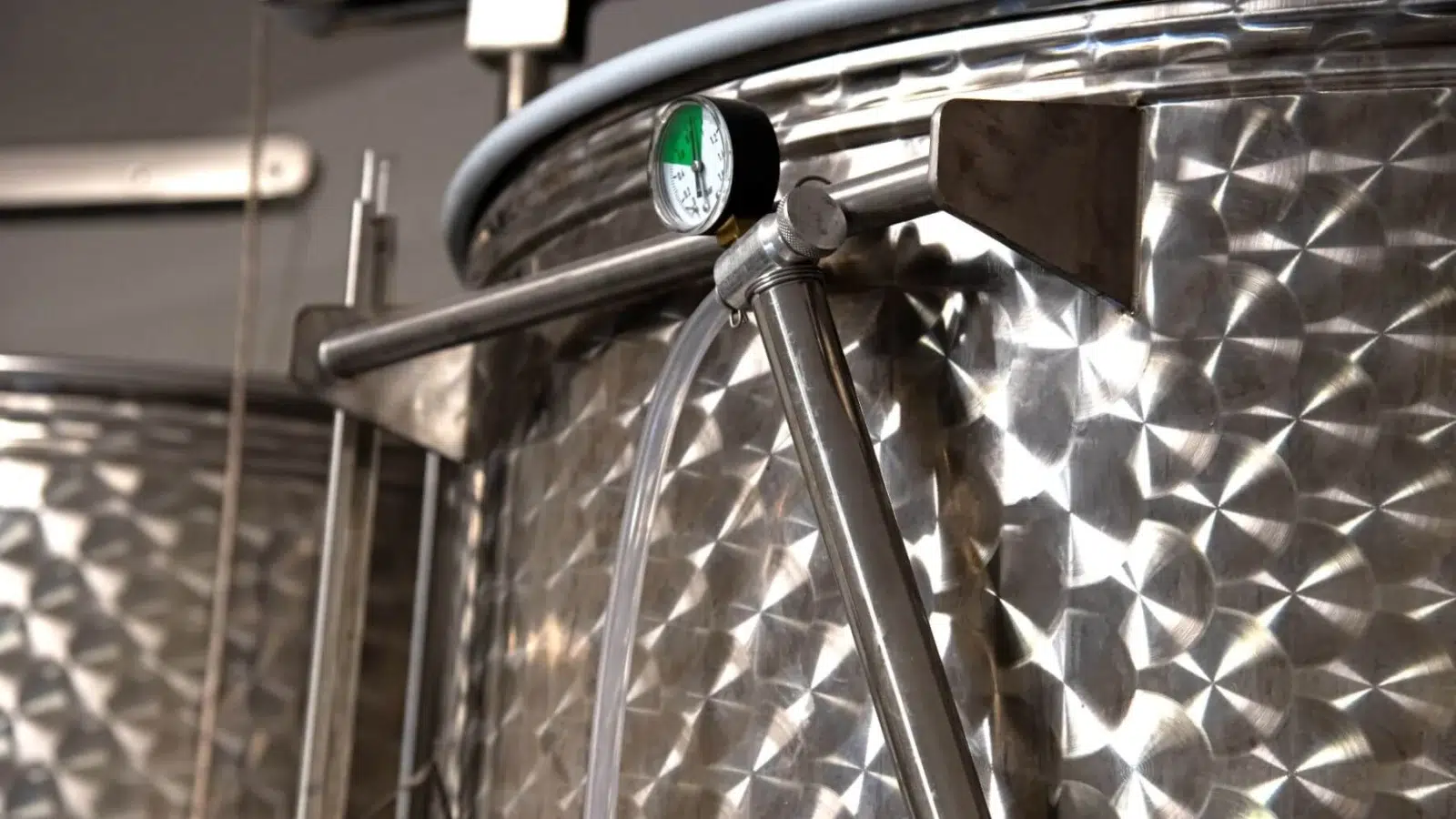
What happens when alcoholic fermentation ends?
Alcoholic fermentation is central to turning grape juice into wine, but its completion does not mean the wine is ready to drink. Winemakers assess the young wine, check its condition and decide whether it needs to be separated from deposits, undergo further changes, or spend time maturing.
There is no single method for every bottle. A fresh, aromatic white may follow a different path from a structured Aglianico red. The decisions depend on the grape variety, the vintage, the desired style and the results of careful cellar monitoring.
What are wine lees?
After fermentation, natural material can settle at the bottom of a tank or barrel. These deposits, known as lees, include yeast cells, small grape particles and other solids left in suspension.
Gross lees and fine lees: why the difference matters
Gross lees are the heavier deposits that collect relatively quickly. Depending on the wine’s condition, separating them may be advisable. Fine lees consist of smaller particles, often rich in yeast residues, and can sometimes be used deliberately during maturation.
In some wine styles, carefully managed contact with fine lees can contribute to texture and complexity. This is often called lees ageing or sur lie ageing. It is not an automatic advantage, however: the condition of the lees and the length of contact must be assessed. More time on lees is not always better.
What is racking, and why is wine transferred?
Racking is the controlled transfer of wine from one vessel to another, usually leaving sediment behind. It helps winemakers separate the wine from unwanted deposits and manage the next stage of its development. The International Organisation of Vine and Wine (OIV) describes the separation of wine from its lees and other sediments as a purpose of racking.
Oxygen management is an important part of the process. Some controlled contact with oxygen may be useful in particular circumstances, while unnecessary exposure can affect freshness and delicate aromas. The winemaker therefore chooses both the timing and the transfer method according to the wine.
When should the first racking take place?
There is no universal rule such as “rack every wine after seven days”. The decision depends on how fermentation has progressed, the quantity and quality of the sediment, the wine’s style and whether malolactic fermentation is planned or under way.
Malolactic fermentation: another important transformation
Some wines, especially many reds, undergo malolactic fermentation after alcoholic fermentation. During this process, certain bacteria convert malic acid into lactic acid, changing the wine’s acidity and how it feels on the palate.
This is not a second alcoholic fermentation, nor is it essential for every wine. When it is part of the winemaking plan, it requires suitable monitoring and can influence when the next racking and other cellar operations take place.
Clarification and stabilisation: are they the same thing?
A young wine can naturally appear cloudy. Clarification aims to reduce suspended particles when greater clarity is desirable. Stabilisation, by contrast, focuses on reducing the risk of unwanted changes during storage and after bottling.
A wine can look clear without being stable in every respect. Depending on its needs, a producer may consider settling, fining, filtration or other appropriate techniques, supported by analysis rather than appearance alone.
What does it mean to let a wine rest?
Resting in the cellar is not the same as being left unattended. Wine may mature in stainless steel, wood or other suitable vessels, with regular checks on its temperature, condition and aromatic development. Further racking may also be needed.
For a grape variety such as Aglianico, time can help bring different structural elements into balance. But longer ageing is not automatically better. The ideal journey depends on the individual wine and the style the producer wants to express.
November in Irpinia: the vineyard rests, the cellar works
As the vines move towards winter dormancy in the hills of Irpinia, the cellar enters a different phase of activity. There may be fewer visible gestures than during harvest, but observation, precision and patience are just as important.
These choices help shape the character of wines from the region. To learn more about the local grape and its denominations, read Aglianico vs Taurasi DOCG: What’s the Difference?. For a closer look at serving a mature red, explore our guide to decanting Taurasi DOCG.
Frequently asked questions
Is cloudy wine always faulty?
No. Cloudiness can be normal at an intermediate stage of production. Quality and stability still need to be evaluated through appropriate controls, not just by looking at the wine.
Does every wine need the same number of rackings?
No. The number, timing and method of rackings vary according to the wine’s condition and the winemaker’s objectives.
Why isn’t wine bottled as soon as fermentation finishes?
It may still need to complete other transformations, separate from deposits, gain the desired stability or mature for a period of time. The schedule is different for each style of wine.
Conclusion: patience is part of winemaking
From managing lees to racking and maturation, every step after fermentation has a purpose. Wine does not become complete in a single moment: its identity develops through a series of careful observations and decisions. Understanding those steps makes the next glass even more interesting.
Discover the wines and winemaking heritage of Irpinia in the Cantine Novera portfolio. Importers and distributors can find more information on our trade page.
More from the Journal: Explore our Wine Knowledge articles.